



Les petits poissons dans l’eauNagent, nagent, nagent, nagent, nagentLes petits poissons dans l’eauNagent aussi bien que les gros
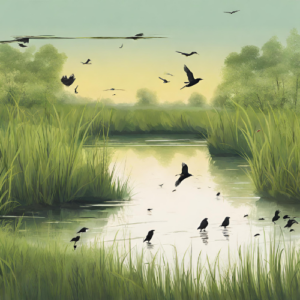
(Refrain) Je me suis couché dans l’herbePour écouter le ventEcouter l’herbe des champs. 1 – Au bord de

Auteur : Les charnègues d’Arraya (paroles Didier Fois)
Date : 2012
La Honhada a été entonnée pour la première fois au stade du Hameau le dimanche 4 mars 2012 par les charnègues (basco-béarnais) d’Arraya, groupe de chant polyphonique des Pyrénées gasconnes basé à Salies-de-Béarn, et la chorale de Ger avant la rencontre face à Grenoble.
Cet hymne est inspiré de La ballade nord-irlandaise de Renaud, elle même inspirée de The Water Is Wide. Suscitant un accueil mitigé à ses débuts, en raison de ses paroles en français sur un air celtique, certains supporters affirment alors que l’hymne naturel de la Section est De cap tà l’immortèla de Nadau.
La Honhada est cependant devenue incontournable pour les supporters palois, qui l’entonnent à chaque début de match comme de coutume dans les cantèras. Les paroles sont signées Didier Fois (d’Hestiv’Oc et du groupe vocal Arraya)
La Honhada est généralement entonnée a cappella par le public du stade du Hameau aux alentours de la soixantième minute.
Honhà signifie « pousser, enfoncer, tasser ou bourrer ». Les Béarnais disent « da ue hougnade », ce qui signifie donner une poussée. Hohnàt signifie « heurt », coup de tête, et Hougnàyre est celui qui hougne, c’est-à-dire un excitateur.
Trouvable dans « Vieilles chansons alsaciennes », François Wilhelm, p. 237-238
Collecté à Oderen en 1937.
Collecte réalisée à nouveau par Daniel Muringer pour OLCA (Office pour la langue et les cultures d’Alsace), site Sàmmle
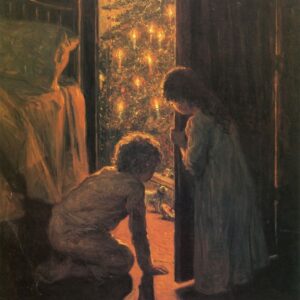
On croit connaître Noël par ses images — sapin, bougies, crèche — mais ce sont les **chants** qui

Chez Chants de France, on aime quand ça chante… et quand ça s’habille bien : avec Le Chic

Chanter les noces (Sud de la France) : Occitanies, Provence, Alpes, Corse et Pays basque, la noce en
Tout est rivalités dans le monde (entre voisins) donc nous allons diviser la France en deux une fois
Le chant traditionnel et la mort en France : dire l’adieu, garder la mémoire En France, on ne