
Paroles de

The Rising of The Moon

Paroles de

The Rising of The Moon

Écouter sur :

1 – And come tell me Sean O’Farrell tell me why you hurry so
Husha buachaill hush and listen and his cheeks were all a glow
I bear orders from the captain get you ready quick and soon
For the pikes must be together by the rising of the moon

By the rising of the moon, by the rising of the moon
For the pikes must be together by the rising of the moon

2 – And come tell me Sean O’Farrell where the gath’rin is to be
At the old spot by the river quite well known to you and me
One more word for signal token whistle out the marchin’ tune
With your pike upon your shoulder by the rising of the moon

By the rising of the moon, by the rising of the moon
With your pike upon your shoulder by the rising of the moon

3 – Out from many a mud wall cabin eyes were watching through the night
Many a manly heart was beating for the blessed warning light
Murmurs rang along the valleys to the banshees lonely croon
And a thousand pikes were flashing by the rising of the moon

By the rising of the moon, by the rising of the moon
And a thousand pikes were flashing by the rising of the moon

4 – All along that singing river that black mass of men was seen
High above their shining weapons flew their own beloved green
Death to every foe and traitor! Whistle out the marching tune
And hurrah, me boys, for freedom, ’tis the rising of the moon

‘Tis the rising of the moon, ’tis the rising of the moon
And hurrah, me boys, for freedom, ’tis the rising of the moon

À propos

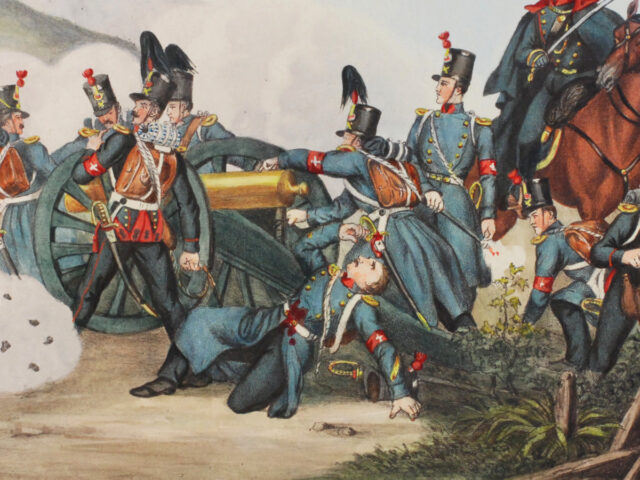
The Rising of the Moon (Le Lever de la lune) est une ballade irlandaise qui raconte une bataille entre les Irlandais Unis et l’armée britannique au cours de la rébellion irlandaise de 1798.

Les paroles ont été écrites par John Keegan Casey (1846-1870), le " Fenian Poète ». Elles ont été mises en circulation en 1865. La ballade se réfère à la rébellion de 1798 des Irlandais Unis. L’air d’espoir et d’optimisme associé à la rébellion, en fin de compte condamnée, était destiné à servir d’inspiration pour les rebelles dans leur lutte contre l’occupant anglais.

De multiples variantes des paroles ont été publiées dans les collections de musique folklorique dont une qui se réfère aux soldats français venus lors de l’expedition d’Irlande (1798) .

Source Wikipédia.

Boutique en ligne

Affichez votre histoire, vos terroirs ! T-shirts marins, sweats scouts, mugs bretons et tote-bags aux refrains mythiques : emportez l’esprit des chants français partout avec vous.

Prochainement disponible

Le fils de Noble-cœur

LE FILS DE NOBLE-CEUR

Potier Joseph, Le -Bien -Aimé-de-Saint-Georges-de-Reintembault, était Compagnon Plâtrier du Devoir. Il publia en 1878 un « Petit Recueil de chansons compagnonniques »

(Nantes, 1857)

Lire la suite »

Le piment d’espelette

Cette chanson culinaire est née à Larressore, au coeur du pays basque, à côté de la commune d’Espelette. Elle a été écrite à la demande de la confrérie du Piment et de l’axoa d’Espelette par Babi Iraçabal.

Lire la suite »

Unglückliche Liebe

Trouvable dans « Das Volkslied im Elsass », Joseph Lefftz, vol. 1,  page 109.

Collecté à Dunzenheim en 1920.

Collecte réalisée à nouveau par Daniel Muringer pour OLCA (Office pour la langue et les cultures d’Alsace), site Sàmmle

Lire la suite »

Dodo, l’enfant do

" Dodo, l’enfant do " est une magnifique et courte berceuse que l’on chante à son enfant pour qu’il puisse s’endormir paisiblement. Accompagnée par une belle mélodie, elle calme les petits et peut être chantée de plus en plus lentement jusqu’à ce que l’enfant dorme.

Source : www.hugolescargot.com

Lire la suite »

Nos derniers articles